
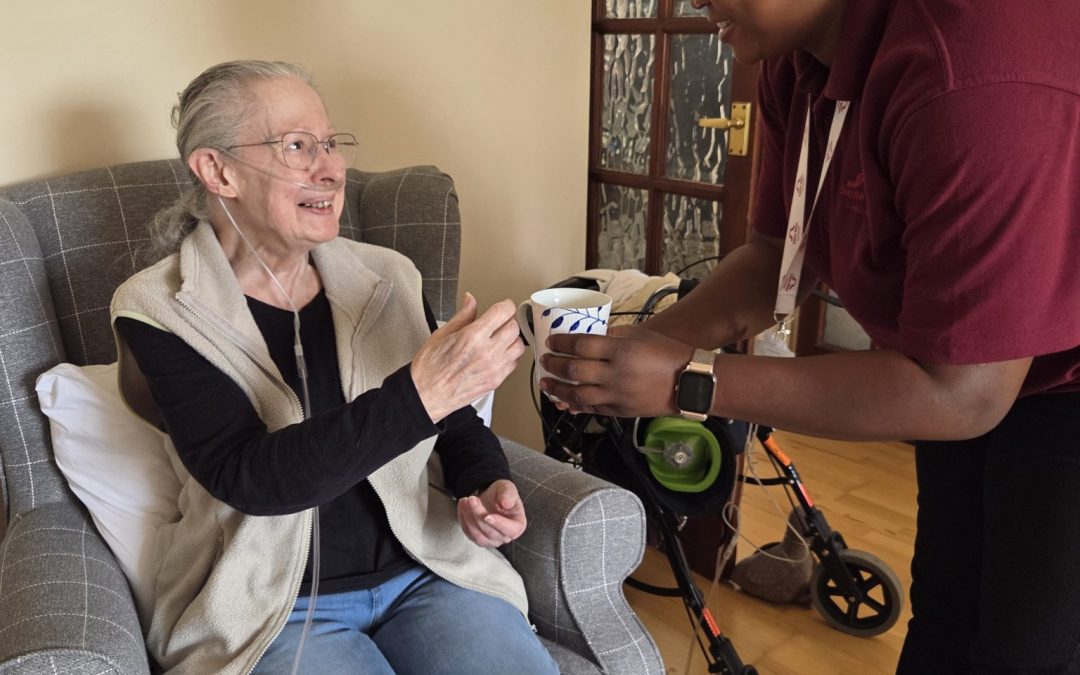
Living with Parkinson’s brings constant changes; so many families look for steady, personalised support at home. You want comfort, routine, and safety through each stage of the condition.
Because of this, more people explore options like live-in care in Oxford, especially when they want tailored help that fits every moment of the day. A familiar setting also helps reduce anxiety and gives people more control over their routine.
However, Parkinson’s affects each person differently, and symptoms shift with time. Daily support then takes many forms. You deal with movement issues, medication timings, fatigue, and emotional fluctuations.
So, let’s look at how live-in care helps manage these needs with structure, mobility support, and confidence-building strategies.
The Daily Challenges in Parkinson’s Care
Parkinson’s affects movement, energy, and mood. Symptoms also change from morning to evening, so the person often needs varied support throughout the day. You see tremors, slowed movement, stiffness, fatigue, and occasional cognitive strain. These symptoms affect daily routines, from washing to eating. A live-in care stay is prepared for these changes.
Daily Support Strategies Used in Live-in Parkinson’s Care
Daily support needs structure. A reliable routine helps reduce stress and maintain comfort. A live-in care also watches energy levels and creates a balanced schedule that works with the person’s natural rhythm.
Here are some key strategies that help each day run smoothly:
- Morning routines that support safe transfers
- Hydration reminders during the day
- Mealtime support that keeps nutrition consistent
- Medication prompts that follow the prescribed timings
- Gentle emotional reassurance when symptoms feel overwhelming
Families who look for live-in care in Oxford often focus on routines like these because they provide stability and dignity.
Mobility Assistance and Fall Prevention Techniques in the Home
Parkinson’s affects balance, speed, and gait. You notice episodes of freezing, slow steps, and sudden instability. These symptoms increase the risk of falls, so mobility support becomes essential.
A live-in care uses clear techniques that encourage safe movement:
- Gait cueing to help with step initiation
- Steady transfers from chairs, beds, and sofas
- Bathroom support that reduces slips
- Monitoring during freezing episodes
- Clutter-free room setups that guide safe movement
Night-Time Care and Comfort Management
Parkinson’s can disturb sleep and increase stiffness at night. Movement becomes more difficult, and anxiety often rises when the person wakes up disoriented. A live-in care offers gentle support during the night and helps the person settle again.
The care also assists with safe bathroom trips, night-time medication, repositioning, and calming reassurance.
Support for Emotional Wellbeing and Daily Confidence
Emotional health plays a huge role in Parkinson’s care. Mood shifts, frustration, and worry often appear as symptoms progress. A live-in care offers warm conversation, companionship, and consistent encouragement.
These interactions help lift energy and motivate the person to stay engaged. This is another reason many people consider live-in care in Oxford when they want steady and compassionate companionship.
Parkinson’s demands patience, structure, and understanding. When families want tailored support, many explore live-in care in Oxford as a reliable option. If you want professional, compassionate, and tailored live-in care for Parkinson’s, connect with Same Ways Care Ltd.